"Serdica Is My Rome": How Emperor Constantine Ruled from Sofia
Few European capital cities can claim that their primary downtown metro interchange sits directly on top of an excavated Roman provincial capital. When construction crews began excavating the transfer station between Metro Line 1 and Line 2 at Serdica between 2010 and 2012, archaeologists uncovered over 9,000 square meters of exceptionally preserved Roman urban fabric dating from the 1st through 6th centuries CE.
Originally established by the Celtic-Thracian Serdi tribe around the geothermal mineral springs, the settlement was elevated to the status of a Roman colony (Colonia Ulpia Ratiaria Serdica) by Emperor Trajan in 106 CE. By the early 4th century, Serdica had become the administrative capital of the province of Dacia Mediterranea. Emperor Constantine the Great, born nearby in Naissus (modern Niš, Serbia), was so enamored with Serdica's strategic location, natural thermal waters, and defensive mountain perimeter that he governed the empire from this city between 316 and 332 CE. Contemporary chroniclers recorded Constantine's frequent assertion: "Serdica is my Rome." Indeed, imperial historians debate whether Constantine came close to naming Serdica—rather than Byzantium—as the new capital of the Roman Empire before establishing Constantinople in 330 CE.
Two decades earlier, on April 30, 311 CE, Roman Emperor Galerius signed the momentous Edict of Serdica (also known as the Edict of Toleration by Galerius). Suffering from a terminal illness, Galerius issued the decree from his imperial palace in Serdica, officially halting the bloody Diocletianic persecution of Christians and granting them the legal right to assemble and rebuild their churches. This landmark decree established religious freedom across the empire two years before Constantine co-issued the more widely publicized Edict of Milan in 313 CE.
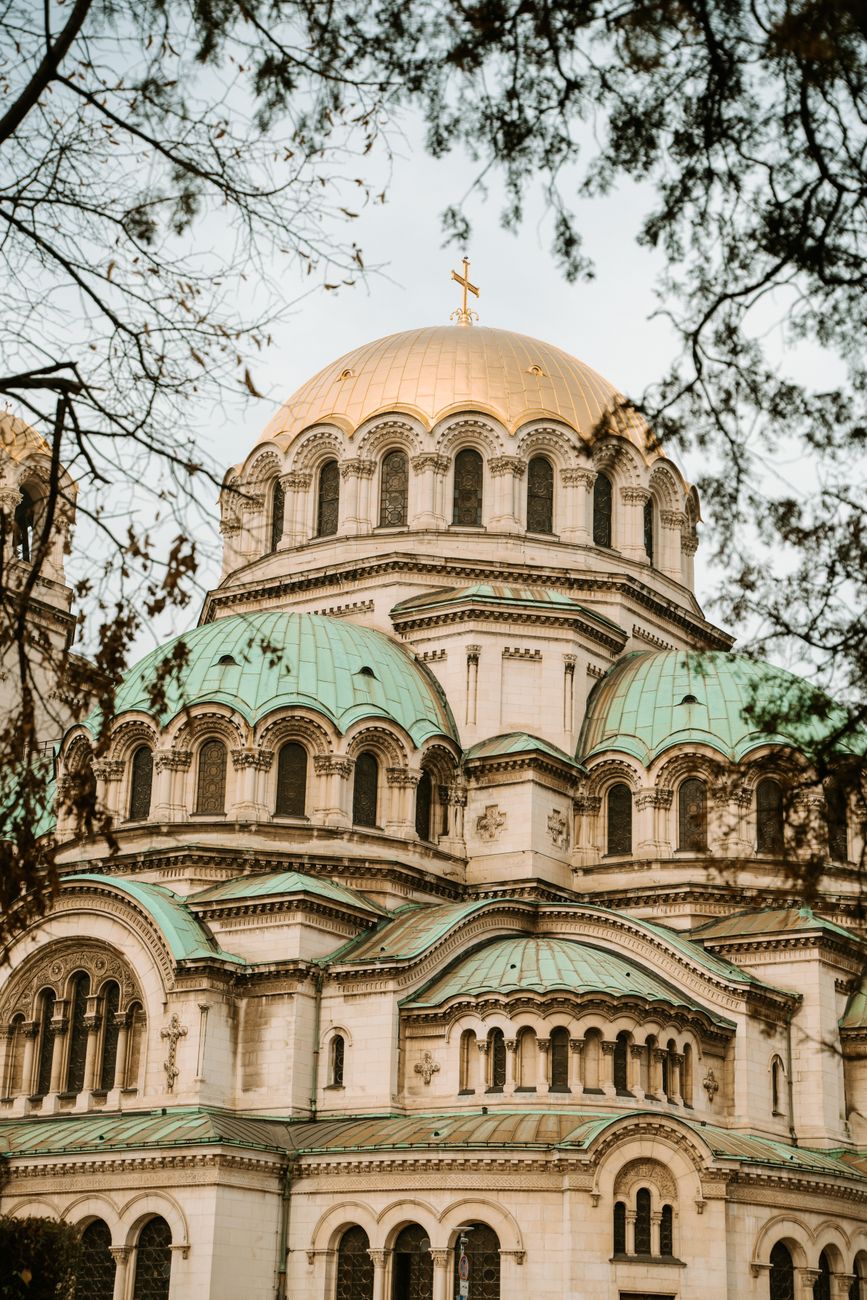
What to See in Ancient Serdica: The 4 Key Excavation Sectors
Sofia has masterfully integrated its Roman ruins into modern urban life, creating an open-air subterranean museum that requires no tickets to explore:
The Decumanus Maximus & Underpass
Free Public AccessWalk directly along the main east-west arterial roadway (Decumanus Maximus) constructed of massive polished stone slabs, complete with original carriage wheel ruts and deep stone storm gutters. The glass-domed plaza exposes private Roman townhouses (domus), public latrines with flowing water channels, and complex underfloor hypocaust heating conduits that circulated hot geothermal air.
Church of Saint George Rotunda (4th c.)
Oldest Preserved BuildingHidden in the courtyard between the Presidency and Hotel Balkan, this cylindrical red-brick rotunda was built in the early 300s CE as a Roman bath or administrative ceremonial hall before being consecrated as a Christian baptistery. Step inside to admire five concentric layers of medieval frescoes, including 10th-century friezes painted during the First Bulgarian Empire.
Saint Sofia Basilica & Underground Necropolis
Ticket: €3.00Commissioned in the 6th century by Emperor Justinian I atop the city's ancient cemetery, Saint Sofia Basilica gave the modern city its name. Beneath the sanctuary floor lies a multi-level subterranean necropolis with over 50 preserved Roman stone brick tombs, vaulted burial chambers, and stunning late-antique multi-colored mosaic tesserae.
Roman Amphitheatre of Serdica (Arena)
Free Lobby ExhibitionUnearthed on Budapeshta Street in 2004, this Roman amphitheater could seat 25,000 spectators and was among the largest in the Roman world. Today, the excavated eastern spectator stone tiers, gladiator entrance gate, and animal holding pens are preserved and displayed free of charge inside the lobby of the Arena di Serdica Hotel.
Tours Covering Roman Serdica & Sofia's Ancient Layers
Join certified archaeology and history guides who bring Roman Serdica to life with historical maps and exclusive interior access.
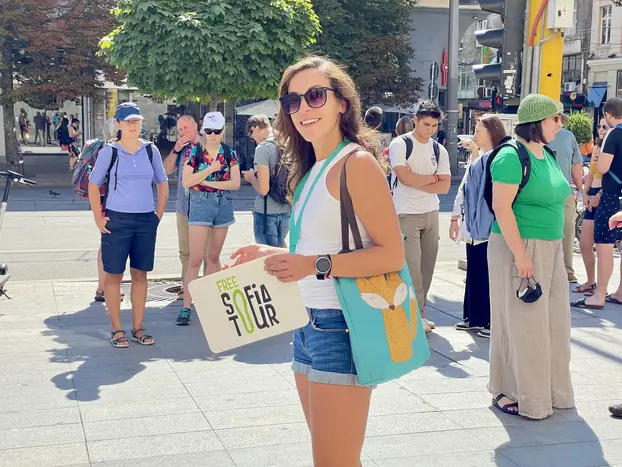
Free Sofia Walking Tour (Top Rated Historic Highlights)
- Palace of Justice meeting point with English-speaking licensed guide
- Sveta Nedelya Cathedral & Church of St. Petka of the Saddlers
- Ancient Serdica complex ruins & Largo Roman decumanus
 Exclusive Access & Interior Hidden Gems
Sofia Insider Tour with Peter (Places with limited access)
- Exclusive interior access to restricted heritage spaces and hidden chapels
- Vintage Sofia tram ride through historic residential neighborhoods
- Intimate small-group setting ensuring personalized storytelling
Free Sofia Walking Tour (Top Rated Historic Highlights)
Palace of Justice meeting point with English-speaking licensed guide
Frequently Asked Questions About Sofia
Verified answers to practical visitor inquiries regarding Sofia tourism, prices, safety, and cultural etiquette.
Access to the primary excavated Roman ruins of Ancient Ulpia Serdica—including the Decumanus Maximus, private Roman townhouses with underfloor hypocaust heating, and public colonnades beneath the glass domes of the Largo—is 100% free of charge. You can explore them during normal metro station operating hours without buying any ticket.
The Church of Saint George (The Rotunda), constructed of red Roman brick in the early 4th century CE during the reign of Constantine the Great, is Sofia's oldest preserved architectural structure. It is located in the open-air courtyard behind the President's Office and is free to enter.
Promulgated on April 30, 311 CE by Roman Emperor Galerius while residing in Serdica, the Edict of Serdica (Edict of Toleration) officially brought an end to the brutal Diocletianic Persecution of Christians throughout the Roman Empire. It legally recognized Christianity two full years before Constantine's famous Edict of Milan.
The ancient Amphitheatre of Serdica (Amphitheatrum Serdicense)—the third largest in the Roman Empire after the Colosseum in Rome and the arena in Capua—was discovered in 2004 during construction of the Arena di Serdica Hotel on Budapeshta Street. You can view the excavated stone spectator seating and gladiator entrance corridors for free inside the hotel lobby.
Enter Saint Sofia Basilica on Paris Street and purchase an admission ticket (€3.00) for the subterranean necropolis. A modern glass-and-steel catwalk system suspends you directly over dozens of late-Roman masonry tombs, family crypts, and 4th-century multi-colored mosaic floors.