The Crossroads of the Balkan Peninsula: Understanding Sofia's Urban Tapestry
Perched at an average altitude of 550 meters in the high-altitude Sofia Basin (Sofiyska Kotlovina), Sofia is the second-highest capital city in the European Union, surpassed only by Madrid. Yet unlike other continental metropolises bounded by endless suburban sprawl, Sofia's southern boundary collides abruptly with the monumental volcanic massif of Mount Vitosha, culminating at the alpine summit of Cherni Vrah (2,290 meters). The mountain provides a permanent compass needle for navigation: walk south along the cafe-lined pedestrian spine of Vitosha Boulevard, and the forested northern slopes rise directly ahead like a colossal theater backdrop.
Administratively organized as Sofia City Province (Oblast Sofia-Grad) with an administrative footprint spanning 1,342 square kilometers, the capital is home to approximately 1.3 million permanent residents, swelling to over 1.5 million on weekdays as commuters flood in via the radial rail lines and the Trakia (A1) and Hemus (A2) motorways. Sofia is an ancient tectonic crossroads where geothermal aquifers have drawn human civilization for over seven millennia. Neolithic mudbrick hamlets excavated at Slatina predate the pyramids of Egypt, followed by the Thracian Serdi tribe who fortified their settlement of Serdica around hot natural springs. When Roman legions under Marcus Licinius Crassus annexed the region in 29 BCE, Emperor Trajan was so captivated by its mineral wealth that he elevated it to Ulpia Serdica in 106 CE. Two centuries later, Emperor Constantine the Great established his imperial court here, repeatedly declaring: "Serdica is my Rome."
Top 10 Things to Do in Sofia: The Unmissable Field Checklist
Every landmark below has been vetted for opening hours, admission pricing in Euro (€) currency, and practical visitor transit.
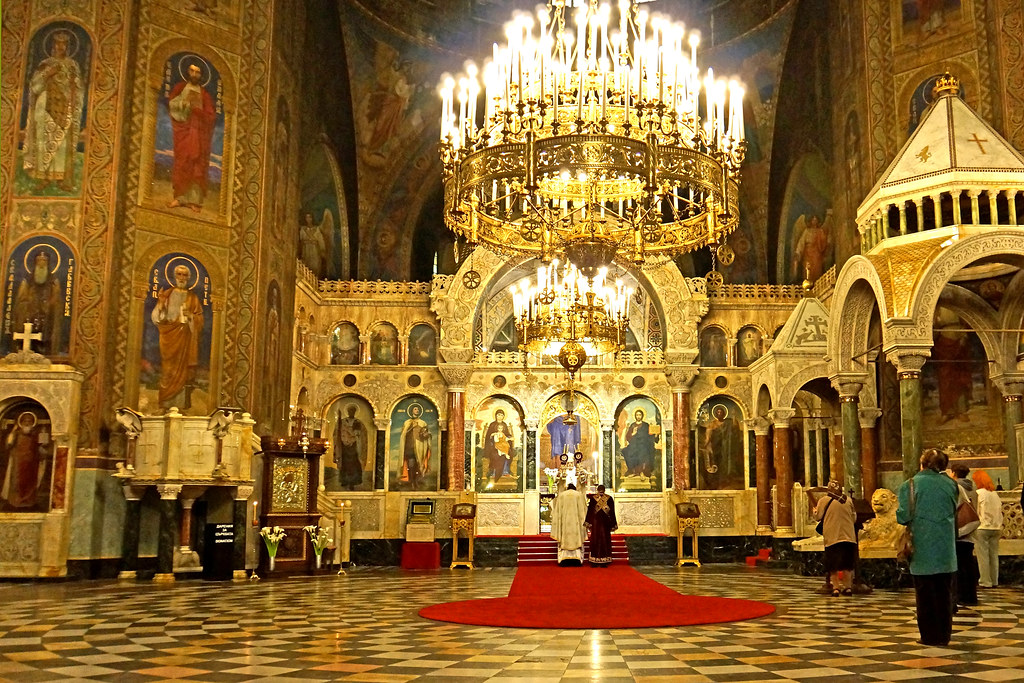
St. Alexander Nevsky Patriarchal Cathedral
Neo-Byzantine MasterpieceDominating Sofia's skyline with its 45-meter gold-plated dome and 53-meter bell tower, this monumental cathedral was designed by Russian architect Alexander Pomerantsev and consecrated in 1912. It accommodates 5,000 worshippers across 3,170 square meters of Italian marble, Brazilian onyx, and Venetian mosaics. Beneath the sanctuary, the subterranean Crypt Museum of Christian Art houses Europe's most significant collection of medieval Eastern Orthodox tempera icons spanning from the 9th to 19th centuries.
UNESCO Boyana Church & National History Museum
UNESCO World Heritage 1979Situated in the leafy southern foothills of Boyana, this two-story medieval church preserves world-famous frescoes painted in 1259 CE by master artists of the Tarnovo School. The individualized psychological portraiture of Sebastokrator Kaloyan and Desislava predates Giotto and the Italian Renaissance by several decades. Pair it with the neighboring National Historical Museum, housed inside the former socialist government residence of dictator Todor Zhivkov, holding the 6.16-kg pure gold Panagyurishte Thracian Treasure.
Ancient Ulpia Serdica & The Largo Underpass
Archaeological MarvelBeneath the modern street pavement and glass domes of the central government Largo lies the excavated core of Roman Serdica. Uncovered during metro tunnel construction, travelers can walk directly along original 4th-century stone decumanus roadways, inspect private Roman residences with hypocaust underfloor heating systems, and marvel at preserved stone drainage conduits—entirely free of charge during transit transfers.
Church of Saint George Rotunda (4th Century)
Oldest Building in SofiaTucked within the sheltered interior courtyard between the Presidency and Sofia Hotel Balkan stands Sofia's oldest preserved architectural structure. Built of red Roman brick with semicircular niches and a 13.7-meter central dome, it served successively as a Roman civil bath, Christian baptistery, Ottoman mosque (Gül Camii), and restored Orthodox sanctuary preserving five historical fresco layers spanning the 6th to 16th centuries.
Mount Vitosha: Cherni Vrah & Golden Bridges
Alpine Nature at City LimitsVitosha is Sofia's outdoor backyard. In summer, hike from Aleko hut (1,800m) to the windy alpine summit of Cherni Vrah (2,290m) or walk across the bizarre stone river of Zlatnite Mostove (Golden Bridges). In winter, Vitoshko Lale offers alpine skiing with direct views over Sofia's twinkling night lights. Reachable via municipal Bus 66 (from Vitosha Metro) or Bus 63 (from Krasno Selo Metro) for just €0.80.
Regional History Museum & Thermal Mineral Springs
Vienna Secession ArchitectureHoused inside the former Sofia Central Mineral Baths (built 1911–1913 by Petko Momchilov and Friedrich Grünanger), this museum displays royal carriages, King Boris III's limousine, and bourgeois 1900s parlors. On Banski Square immediately behind the museum, boiling mineral water gushes from public brass taps at 46°C, where Sofia residents fill massive carboys daily.
Central Market Hall (Tsentralni Hali) & Roman Wall
Heritage Architecture & GroceriesConstructed in 1911 by Naum Torbov, this Neo-Renaissance covered food market underwent a landmark 50-million-euro restoration reopening in May 2024 (nominated for the 2026 Mies van der Rohe Prize). Inside, pick up artisanal Bulgarian white brined cheese (sirene), cured beef sausages (lukanka), and fresh pastries on the ground floor, then descend to level -1 to inspect excavated Roman fortress towers and defensive bastions.
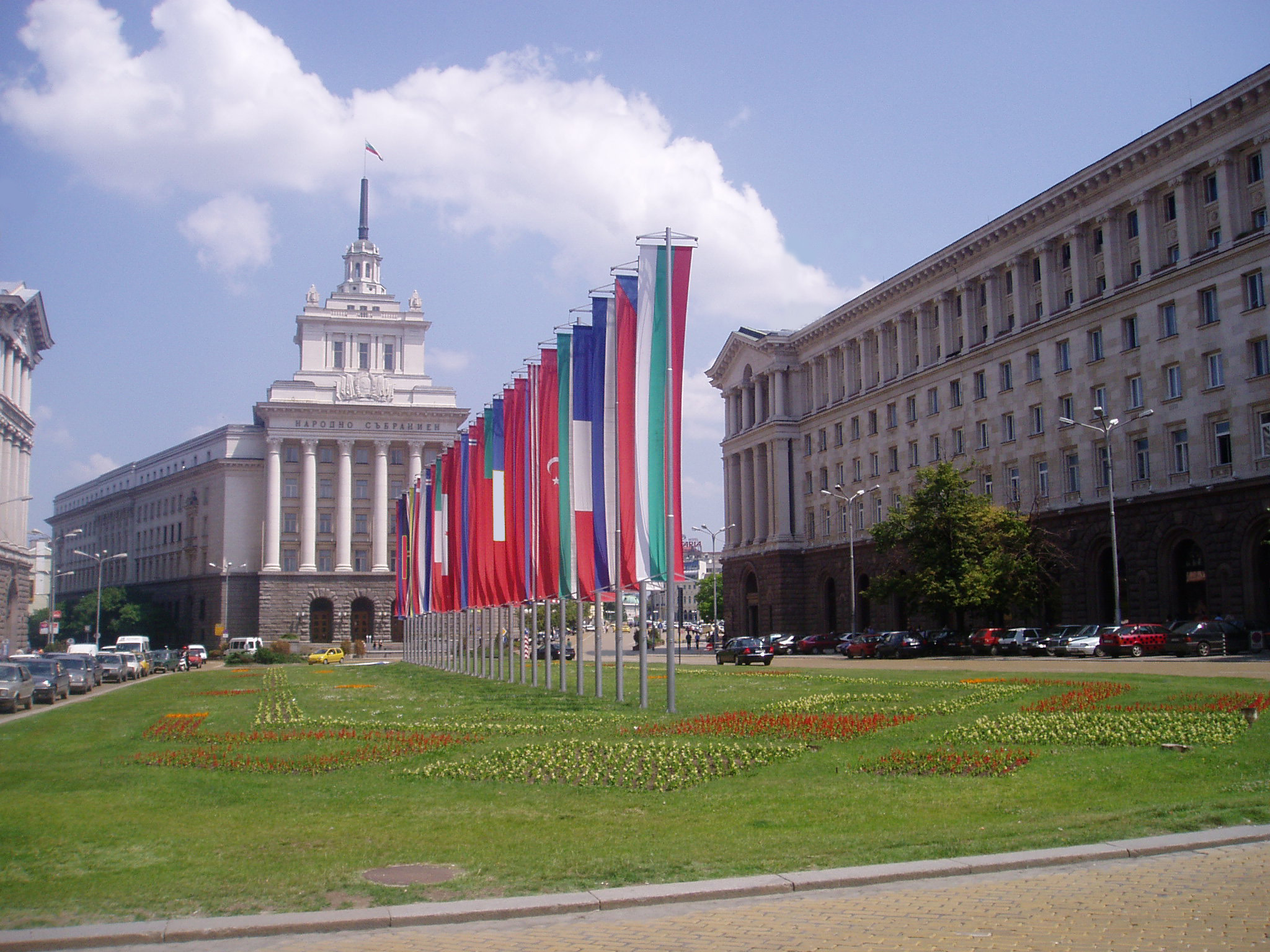
The Monumental Largo Ensemble & Socialist Heritage
Cold War ArchitectureDesigned in the 1950s in imposing Stalinist-Classicist style, the Largo complex encompasses the former Communist Party House (now parliament offices), the President's Office, and the Council of Ministers. A short metro ride east takes you to the Museum of Socialist Art, featuring an outdoor sculpture park containing the 9-meter bronze Lenin statue that once stood in the city center and the original glowing red ruby star.
The Quadrangle of Religious Tolerance
Cultural CoexistenceWithin a compact 300-meter radius around Serdica square stand four major places of worship representing four distinct faiths: the Eastern Orthodox Saint Nedelya Cathedral, the Ottoman Banya Bashi Mosque (completed in 1566 by master builder Mimar Sinan), the Moorish Revival Central Sofia Synagogue (Europe's largest Sephardic synagogue), and the Roman Catholic Cathedral of Saint Joseph. Listen for church chimes and the adhan call to prayer interweaving in the afternoon air.
Klek Shops & Secret Basement Bars of Tsar Shishman
Urban Field LoreWitness Sofia's unique 1990s post-socialist retail phenomenon: the klek shop (literally "kneel shop"). Basement cellars converted into micro-kiosks with sidewalk-level service windows require customers to squat down to buy bottled mineral water, cigarettes, and coffee. Follow Shishman Street into hidden courtyards to discover Sofia's lively craft beer bars and subterranean wine cellars.
Curated Sofia Tours: Culinary, Nightlife & Day Trips
All experiences feature verified online bookings, live availability widgets, and guaranteed free cancellation up to 24 hours in advance.
 Top Local Gastronomy Pick
Sofia Wine & Cheese Tasting Experience
- Guided tasting of 5 indigenous Bulgarian wine varietals (Mavrud, Rubin, Melnik, Rikat, Pamid)
- Pairing with artisanal local Bulgarian cheeses, charcuterie, and fresh breadsticks
- Sommelier narrative covering Bulgaria's 5,000-year Thracian winemaking roots
Creative Evening & Art Workshop
Sofia Paint & Wine Experience with Bulgarian Wine
- Guided acrylic painting session led step-by-step by an English-speaking professional artist
- Complimentary bottle or generous glasses of boutique Bulgarian red or white wine
- All artist equipment provided: stretched canvas, easel, acrylic paints, and brushes
#1 Sofia Nightlife Experience
Sofia Pub Crawl of Hidden Bars
- Access 4-5 secret speakeasies, hidden garden bars, and vibrant local watering holes
- Complimentary welcome drink (beer or wine) at first venue plus free shots at subsequent stops
- Traditional Bulgarian Rakia spirit shot included
Top Regional City Excursion
Must-See Plovdiv Day Tour from Sofia
- Explore Europe's oldest continuously inhabited city (8,000+ years of history)
- Magnificently preserved 2nd-century Roman Theatre of Philippopolis & Roman Stadium
- Cobblestone alleys of Old Town Plovdiv with flamboyant National Revival merchant mansions
Seamless Sofia Arrival: Transfers & Connectivity (2026)
🚗 Private Airport Meet & Greet
Skip taxi queues and currency exchange desks upon landing at Sofia International Airport (SOF). A dedicated driver meets you inside Terminal 1 or 2 with a personalized name sign and monitors flight delays in real time.
Reserve Private Transfer (€41.47) →📶 Bulgaria & EU High-Speed eSIM
Stay connected immediately upon touchdown without swapping physical SIM cards. Works across all 3 Bulgarian mobile networks (Yettel, A1, Vivacom) with unlimited LTE/5G data packages throughout Sofia and Mount Vitosha.
Affiliate integration slot ready • Direct digital eSIM deliveryFree Sofia Walking Tour (Top Rated Historic Highlights)
Palace of Justice meeting point with English-speaking licensed guide
Frequently Asked Questions About Sofia
Verified answers to practical visitor inquiries regarding Sofia tourism, prices, safety, and cultural etiquette.
Yes, Sofia is one of Europe's most rewarding and budget-friendly capital cities. It combines more than 7,000 years of documented human history—from Neolithic settlements and Roman Serdica to Ottoman monuments and monumental Socialist Realism—framed directly against the 2,290-meter backdrop of Mount Vitosha. In 2026, Sofia offers top-tier safety, world-class dining, and remarkably accessible public transit capped at €2.00 per day.
The top 10 essential landmarks include: (1) St. Alexander Nevsky Patriarchal Cathedral, (2) Boyana Church UNESCO 1259 frescoes, (3) The excavated Roman ruins of Ancient Ulpia Serdica, (4) Church of St. George Rotunda (4th c.), (5) Mount Vitosha alpine hike to Cherni Vrah, (6) Regional History Museum inside Central Mineral Baths, (7) Central Market Hall (Tsentralni Hali / Kaufland), (8) The Largo Socialist architectural ensemble, (9) The National Historical Museum in Todor Zhivkov's former residence, and (10) Taking a tip-based Free Sofia Walking Tour.
Do not miss walking across the famous yellow ceramic cobblestones (Zhalti Paveta) outside the National Assembly, exploring the underground late-Roman necropolis beneath St. Sofia Basilica, filling your water bottle from the 46°C geothermal mineral springs behind the Central Baths, and sampling freshly baked banitsa with cold ayran at a neighborhood banicharnitsa.
Yes. English is fluently spoken by younger Bulgarians, hospitality professionals, museum docents, and tour guides throughout the central city. Public transit ticket vending machines, metro announcements, and central street signage feature bilingual Bulgarian Cyrillic and Latin script. However, in residential suburbs and among older tram operators, speaking a few Bulgarian words or using a translation app is helpful.
Sofia remains one of the most affordable capital cities in the European Union. A single metro ride costs €0.80, a multi-course traditional tavern lunch (gotveno) costs €4.00–€7.00, a craft beer costs €2.00–€3.00, and admission to most national museums ranges between €3.00 and €6.00.
Sofia is statistically very safe with violent crime rates well below Western European and American capital city averages. The primary petty risks are pickpocketing on crowded surface lines (specifically Tram Lines 20 and 22 near Zhenski Pazar) and fraudulent taxi drivers around transit stations. Walking around central boulevards (Vitosha Blvd, Oborishte, Shishman) at night is pleasant and secure.